
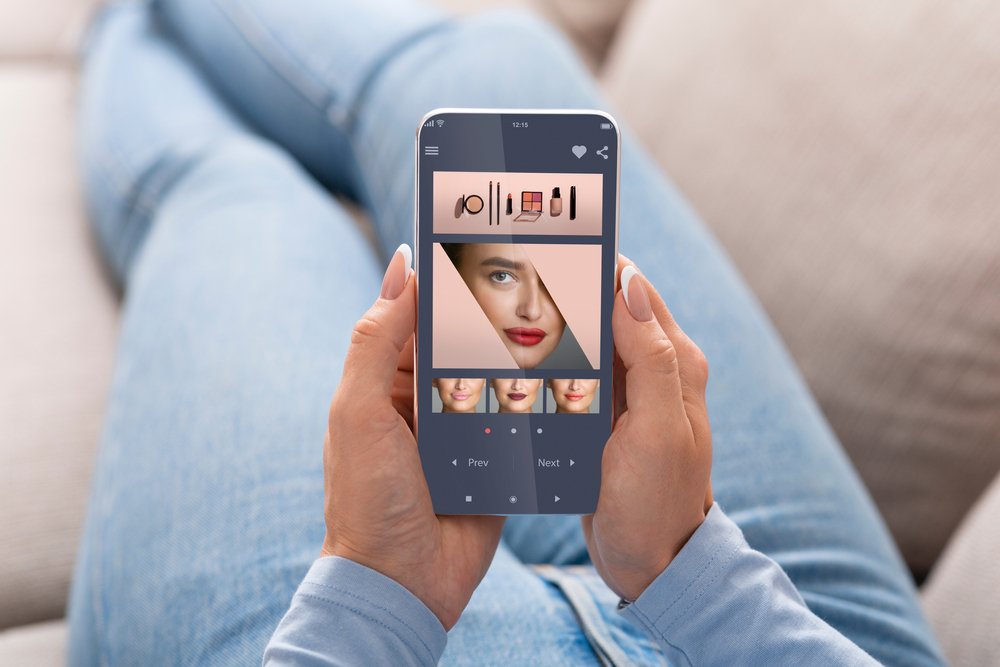
Somewhere between “skincare is self-care” and “skincare is a 14-step science experiment,” beauty got complicated. So naturally, the internet’s answer was to throw AI at it.
Enter AI beauty apps: the algorithm-powered tools promising to scan your face, “diagnose” your skin, match your foundation shade, and tell you exactly what serum your bathroom shelf is missing. They’re everywhere — in your favorite retailer’s app, your phone’s camera roll, even built into your mirror if you’re fancy like that.
But do they actually work, or are they just a glorified filter with a confidence problem? Let’s get into it.
What Are AI Beauty Apps, Really?
At their core, AI beauty apps use your camera, a dash of computer vision, and a database of beauty products to make recommendations. Some scan your skin texture and tone. Others let you “try on” lipstick shades before you buy. A few even build you a custom routine based on a quiz longer than your last job application.
Think of them as a very enthusiastic, very online beauty consultant who never sleeps, never judges your skincare fridge, and occasionally hallucinates a little.
The Good: Where AI Beauty Apps Actually Earn Their Keep
Let’s give credit where it’s due — AI beauty apps genuinely nail a few things:
1. Virtual try-on is a game-changer. No more buying three lipsticks online and returning two because the color looked nothing like the swatch. AI-powered try-on tools map shades onto your actual face in real time, so you can window-shop without the regret.
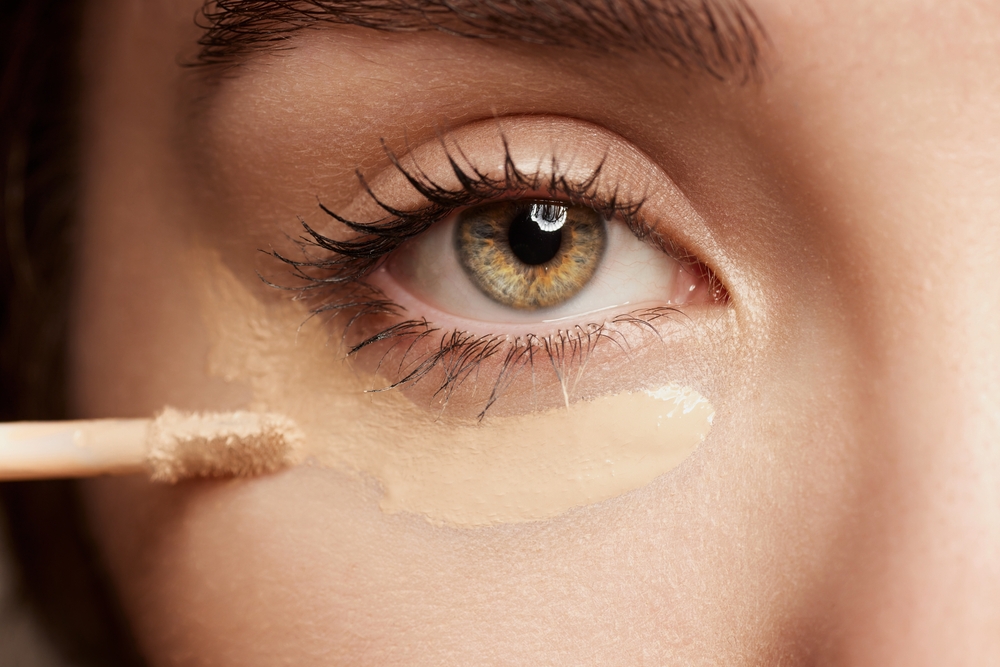
2. Shade matching, minus the guesswork. Foundation shopping used to mean swiping six shades on your jaw and hoping for the best under fluorescent lighting. Now, AI beauty apps can scan your skin tone and suggest a shockingly accurate match — handy whether you’re testing a drugstore staple or a luxury splurge.
3. They simplify decision fatigue. If you’ve ever stood in the skincare aisle, paralyzed by 40 different serums, an app that narrows things down based on your skin type and goals is a small miracle. It pairs nicely with building a simpler, glam-friendly routine instead of buying everything that looks pretty.
4. Trend-spotting before it’s mainstream. A lot of these apps are plugged into massive data sets of what’s trending in real time, which is partly how things like 2026’s biggest beauty trends get predicted before they hit your feed.
The Not-So-Good: Where AI Beauty Apps Fall Short
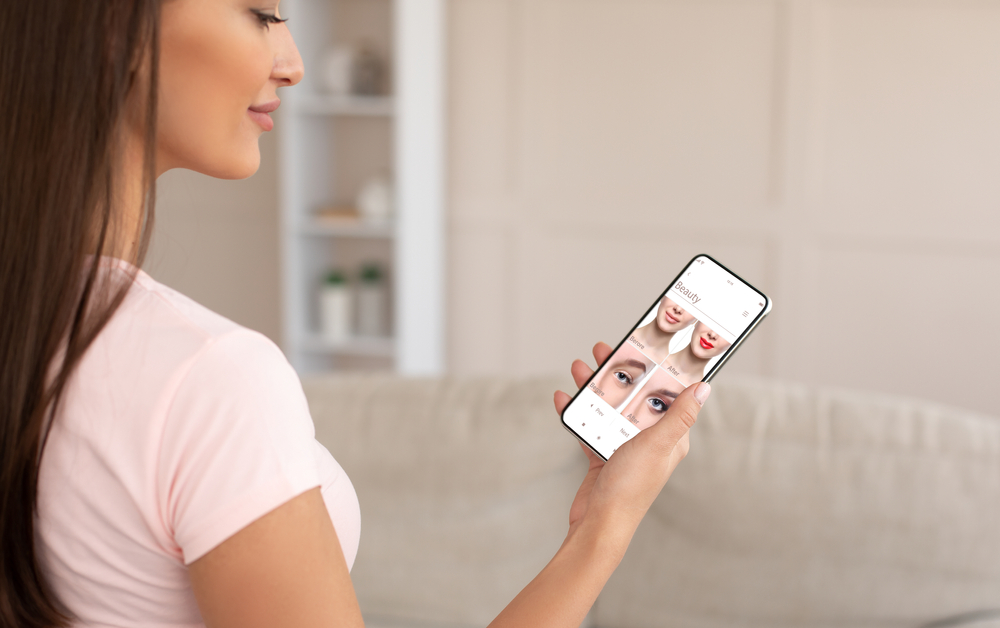
Now for the honest part — because nobody needs another “this app changed my life” post that conveniently skips the downsides.
They’re not dermatologists, and they don’t pretend to be. Skin “analysis” features can flag texture, tone, or shine, but that’s a cosmetic read, not a diagnosis. If something on your skin feels off, that’s a conversation for an actual professional, not your phone.
Lighting and camera quality mess with accuracy. An AI model is only as good as the photo it’s working with. Bad lighting, an old phone camera, or a filter you forgot was on can throw off results.
The recommendations can feel a little… sponsored. Some AI beauty apps are designed by retailers to recommend retailer products. Shocking, I know. It’s worth treating suggestions the way you’d treat a sales associate’s enthusiasm — useful, but not gospel.
They can’t replace trial and error. No algorithm could’ve told me how a famous brand would actually feel on my face — that took an actual mall ambush and a full bottle to figure out. Some things you just have to test yourself.
How to Actually Use AI Beauty Apps Without Getting Played
If you want the upside without the algorithmic side-eye, here’s the move:
- Use them for inspiration, not instructions. Treat color matches and routine suggestions as a starting point, not a prescription.
- Cross-check with real reviews. Apps are great at data; they’re less great at vibes. Pair AI suggestions with honest, human takes — like an actual 60-day skincare test or a 30-day hair product trial — before committing.
- Patch test everything anyway. AI can’t predict how a formula will feel on your specific skin barrier, so the swatch test is still non-negotiable.
- Don’t let it replace your gut. If your skin tells you something an app didn’t, listen to your skin. It’s been with you longer.
The Verdict
AI beauty apps aren’t a gimmick, and they’re not magic, either. They’re a genuinely useful layer of convenience — great for narrowing shade options, building a simpler routine, and avoiding regrettable online purchases. What they can’t do is replace the parts of beauty that are deeply, stubbornly human: trial, error, lighting that flatters nobody, and the occasional impulse buy that somehow becomes a holy grail.
Use the tech to skip the guesswork. Just don’t skip the mirror check.
So, can technology actually improve your routine? Mostly, yes — as long as you’re the one still calling the shots.

Leave A Comment