
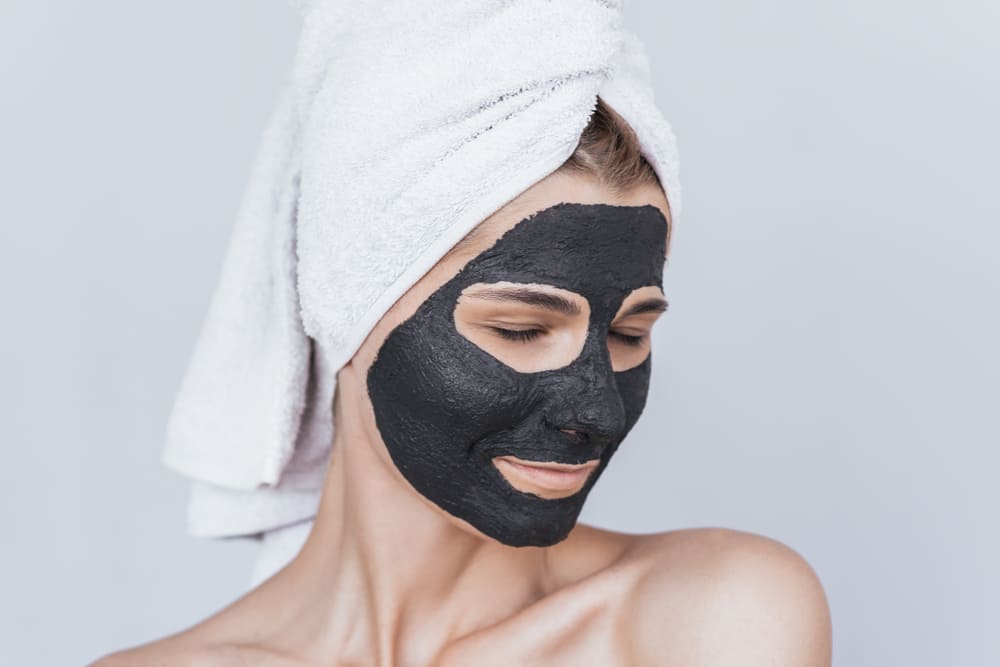
Living with a complexion that flares at the sight of a spicy taco or a brisk wind usually means your skincare routine is as exciting as a glass of lukewarm water. You have been told for years to avoid heat like it is a villain in a Victorian novel. But then 2026 rolls around, and suddenly, thermal technology is the “it” factor for achieving that elusive glass-skin glow.
If you have rosacea or hyper-sensitivity, you’re likely staring at those self-warming thermal masks with a mix of FOMO and genuine fear. Is it possible to invite the heat without inviting the flare-up?
The short answer is yes – if you stop treating heat like a trigger and start treating it like a delivery vehicle.
The Science of the “Slight Sizzle”
Standard heat from a steaming shower is chaotic. It strips oils and sends your capillaries into a panic. Modern thermal skincare is different because it relies on mineral-based exothermic reactions. When certain minerals meet the natural moisture on your face, they release a controlled, steady warmth that stays within a safe, therapeutic range.
Think of it as opening a window to let a breeze in. This gentle temperature rise does two things that sensitive skin actually needs:
-
Softens the Gates: It temporarily relaxes the surface cells, allowing soothing ingredients to bypass the “crusty” outer layer.
-
Awakens the Micro-Flow: It nudges your blood flow just enough to cart away metabolic waste without causing a full-blown facial wildfire.
When blood flow is stagnant, sensitive skin can look dull and gray. By using a mineral heat source, you are essentially giving your face a cardiovascular workout that clears the path for vital nutrients to reach the surface.
Thermal Conditioning: The 2026 Resilience Hack
There’s a growing movement this year toward “skin longevity,” which suggests that total avoidance of stimuli makes the skin barrier weak and lazy. If you never challenge your skin, it loses its ability to adapt. Thermal conditioning is the practice of using very low-level heat to “train” your blood vessels to dilate and constrict more efficiently.
For the redness-prone, this is not about high-intensity heat. It’s about using “neuro-calming” formulas. These are products that pair warming minerals with ingredients derived from the deep ocean – think red algae and sea silks. The minerals provide the warmth, while the marine elements act as a biological “coolant” for your nerve endings. It’s a push-and-pull dynamic that delivers results without the drama.
Over time, this thermal cycling can actually help leave your skin’s vascular response feeling stabilized. Instead of your face turning bright red at every minor temperature change, your skin feels better capable of regulating its own internal thermostat.
Advanced Thermal Skincare Application Tactics for Reactive Skin
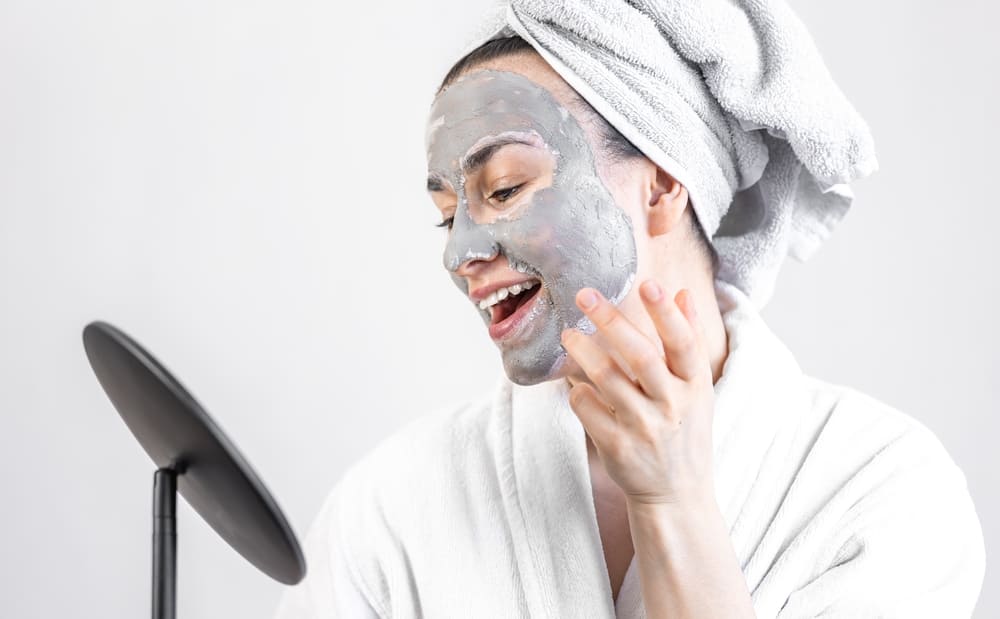
If you’re ready to experiment with the thermal trend, you need a tactical plan. You can’t just slather and hope for the best. You need to treat the application like a professional treatment.
1. The Pre-Hydration Buffer
Instead of applying a warming mask to bare, defenseless skin, apply a thin layer of a sea-kelp or hyaluronic serum first (check out the marine-inspired skincare products from Lavelier that we recently reviewed). This acts as a heat sink. It absorbs the initial peak of the thermal reaction and distributes it more evenly, making the sensation feel like a soft hum rather than a sharp sting. This layer ensures that the heat-activated minerals are working on the serum rather than directly on your sensitive nerves.
2. The “Flash” Treatment Method
Forget the twenty-minute relaxation ritual. For sensitive types, three to five minutes is the sweet spot. You get the pore-refining benefits and the ingredient infusion, but you rinse before your vascular system has time to realize it should be annoyed. Think of it as a sprint, not a marathon.
3. Strategic “Zoning”
You do not have to apply heat everywhere. If your cheeks are your main rosacea trigger zone, apply the thermal skincare product only to your T-zone (forehead, nose, and chin). This allows you to deep-clean congested areas while keeping the most sensitive parts of your face in their comfort zone.
4. The Lukewarm Exit
This is the most critical step. Never, under any circumstances, rinse a thermal skincare product with hot water. Your skin is already warm; adding more heat is a recipe for a three-day flush. Use water that feels slightly cool to the touch. This helps the vessels snap back into place, trapping the goodness of the treatment inside and instantly lowering the surface temperature of your face.
Critical Post-Thermal Recovery Tips
What you do after the heat is just as important as the treatment itself.
-
Mist Immediately: Use a mineral-rich thermal water spray right after rinsing. This neutralizes any residual heat and provides an immediate complexion-calming effect.
-
Look for Barrier Builders: After a thermal session, prioritize products with ceramides, fatty acids, and cholesterol. These “skin-identical” lipids patch up any temporary gaps in your barrier created by the warmth.
-
Avoid “Active” Overload: Do not use a thermal mask on the same night you use retinol, strong exfoliating acids, or other powerful skincare products. Your skin is already in a state of high absorption; layering aggressive actives on top of heat-treated skin can lead to irritation.
-
The Cotton Pad Compress: If one area feels particularly warm, soak a cotton pad in a chilled, alcohol-free toner and rest it on the spot for sixty seconds. It’s like an ice pack for your skin but much gentler.
Red Flags: When to Step Away from the Flame
Even with the best tech, your skin is the boss. You should bench the thermal products if you’re currently in the middle of a “Type 2” flare, which usually involves bumps and pustules, or if your barrier feels like sandpaper. When the skin is broken or severely compromised, any heat can feel like an assault.
You should also keep an eye on your recovery time. A healthy response to a thermal mask involves a soft pink glow that fades within ten to fifteen minutes. If you feel a stinging that persists after rinsing, or if your face looks like a sunset for more than an hour post-treatment, your skin is telling you that its “thermal threshold” has been met. Stick to the cooling, mineral-rich creams until your barrier feels sturdy again.
Thermal Skincare: The New Rules of Engagement
In 2026, beauty is about being proactive, not just reactive. You do not have to settle for a boring, cold routine just because your skin is sensitive. The goal of modern skincare is to empower the skin to handle more, not to shelter it until it becomes fragile.
By leveraging mineral heat as a tool, you can finally enjoy the deep-cleaning, glow-inducing power of thermal skincare tech without the red-carpet consequences. It’s about intelligence over intensity. Keep the heat controlled, keep the duration short, and always keep a cooling moisturizer on standby to seal the deal.

Leave A Comment