
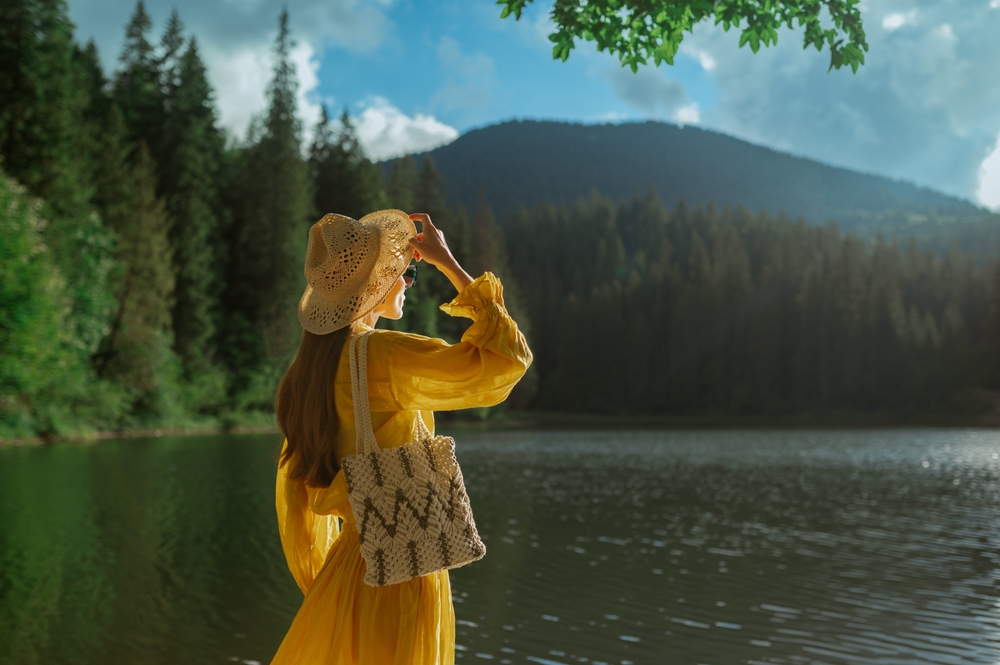
Somewhere between “I churn my own butter” and “I just really love a puff sleeve,” an entire style movement was born. If your Pinterest board has recently filled up with gingham, wildflowers, and women twirling through wheat fields for no discernible reason, congratulations — you’ve fallen for cottagecore fashion. You’re in good company. Millions of us have.
But what actually is it, beyond “vibes”? Let’s break it down, no linen apron required (though one wouldn’t hurt).
What is the Cottagecore Aesthetic?
Cottagecore fashion is the wardrobe equivalent of a deep exhale. It’s inspired by rural, pastoral life — think 19th-century farmhouses, secret gardens, and the kind of picnic that has zero ants involved. Flowy silhouettes, natural fabrics, and a whole lot of florals define the look.
It grew out of the broader cottagecore aesthetic, which took off online as a rebellion against hustle culture and fast fashion alike. People got tired of dressing like they were perpetually rushing to a meeting. This aesthetic said: slow down, put on a prairie dress, go pick some literal or metaphorical berries.
It’s romantic. It’s a little nostalgic. And it’s proven far more durable than your average TikTok trend — this one’s still going strong heading into 2026.
The Core Elements of the Cottagecore Look
Every aesthetic has its uniform, and this one is no exception. Here’s what shows up again and again:
- Puff sleeves and empire waists — soft, romantic, unmistakably storybook.
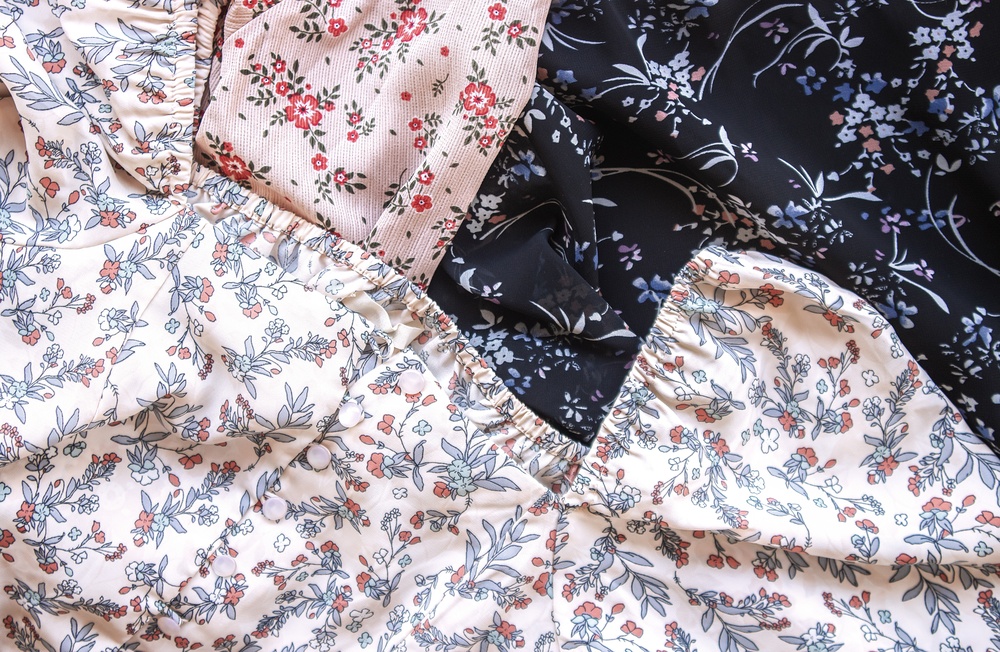
- Floral and gingham prints — the busier and more grandma’s-kitchen-curtain, the better.
- Natural fabrics — linen, cotton, and wool over anything synthetic or shiny.
- Prairie and midi dresses — the reigning silhouette of the entire movement.
- Knit cardigans — because this whole look runs on the promise of a chilly evening and a cup of tea.
- Muted, earthy palettes — sage, cream, rust, dusty rose. Nothing neon allowed.
Notice a theme? Everything looks like it was either handmade, hand-me-down, or hand-picked from a garden. That’s intentional. The whole point is authenticity over flash.
How This Aesthetic Compares to Everything Else
It’s easy to lump cottagecore in with other soft, nostalgic aesthetics, but there are real differences worth knowing before you start shopping.
Coastal grandma leans breezy, linen, and beachy — think Nancy Meyers movie, not Little House on the Prairie. Dark academia trades the flower crown for tweed, oxfords, and a general air of brooding over old books. Cottagecore, by contrast, is unapologetically whimsical. It wants you outside, barefoot in the grass, not hiding in a library.
If you’ve read up on the fashion staples that keep showing up every season, you already know that trend cycles love to borrow from each other. Cottagecore is proof that even the internet’s most whimsical aesthetics eventually settle into genuinely wearable, closet-staple territory.
How to Build a Cottagecore Wardrobe Without Overspending
Here’s the good news: you probably already own a few cottagecore-adjacent pieces. This isn’t a “buy an entirely new closet” situation.
Start with what you have. A neutral midi skirt, a cream cardigan, a simple white blouse — these all quietly qualify. If you’re unsure what’s actually working with your shape, dressing for your body type is a smart place to start before you buy a single new thing.
Thrift first, shop new second. This aesthetic practically demands secondhand shopping. Vintage floral dresses, worn-in denim, and grandma-core knits are everywhere at thrift stores, and buying used fits the aesthetic’s whole “slower, gentler existence” ethos.
Invest in layers. A good linen dress, a chunky cardigan, and a woven basket bag will take you further than any single trendy piece. It’s basically capsule-wardrobe logic dressed up in florals — the same principle behind the fashion staples that keep showing up every season.
Accessorizing the Cottagecore Way
Accessories make or break this look, and subtlety is the name of the game. Skip the flashy hardware and lean into texture instead.
- Woven straw or wicker bags
- Delicate gold jewelry (think tiny florals, not statement chains)
- Lace-trimmed socks with mary janes or clogs
- Wide-brim straw hats
- Hair ribbons — yes, actual ribbons
If you’re someone who tracks trend cycles closely, it’s worth comparing this year’s picks against the accessory trends currently taking over — cottagecore and mainstream accessorizing are borrowing from each other more than you’d think.
Where the Trend is Headed in 2026
Cottagecore isn’t just surviving into 2026 — it’s evolving. We’re seeing it merge with quiet luxury, resulting in elevated, higher-quality versions of the look: think linen instead of cotton-poly blends, and tailored midi dresses instead of costume-y prairie numbers. It’s less “milkmaid at a Renaissance Faire” and more “you genuinely live near a garden.”
This mirrors a bigger shift happening across the industry. As covered in how fashion has changed the game this year, sustainability and conscious consumerism are steering nearly every trend, and cottagecore’s secondhand, slow-fashion roots put it ahead of the curve rather than behind it.
Final Thoughts
Cottagecore fashion isn’t a costume — it’s a mood, a mindset, and honestly, a pretty solid excuse to buy a cardigan you didn’t strictly need. Whether you go all-in with a prairie dress and a basket bag or just borrow a few muted florals for your everyday rotation, the beauty of this aesthetic is that it never feels forced.
And if timeless, wearable pieces are more your speed than full-on farmcore fantasy, these classic looks that never go out of style pair surprisingly well with a cottagecore-leaning wardrobe. Mix, match, and go smell some (metaphorical) roses.



Leave A Comment